
Kada spojite korumpirane političare, građevinsku industriju, javne radove i građane sa dna društvene lestvice koji svoj tumorni život boje nijansama votke — šta tu može da pođe po zlu?
Sve što vodi ka sigurnoj smrti stotina ljudi.
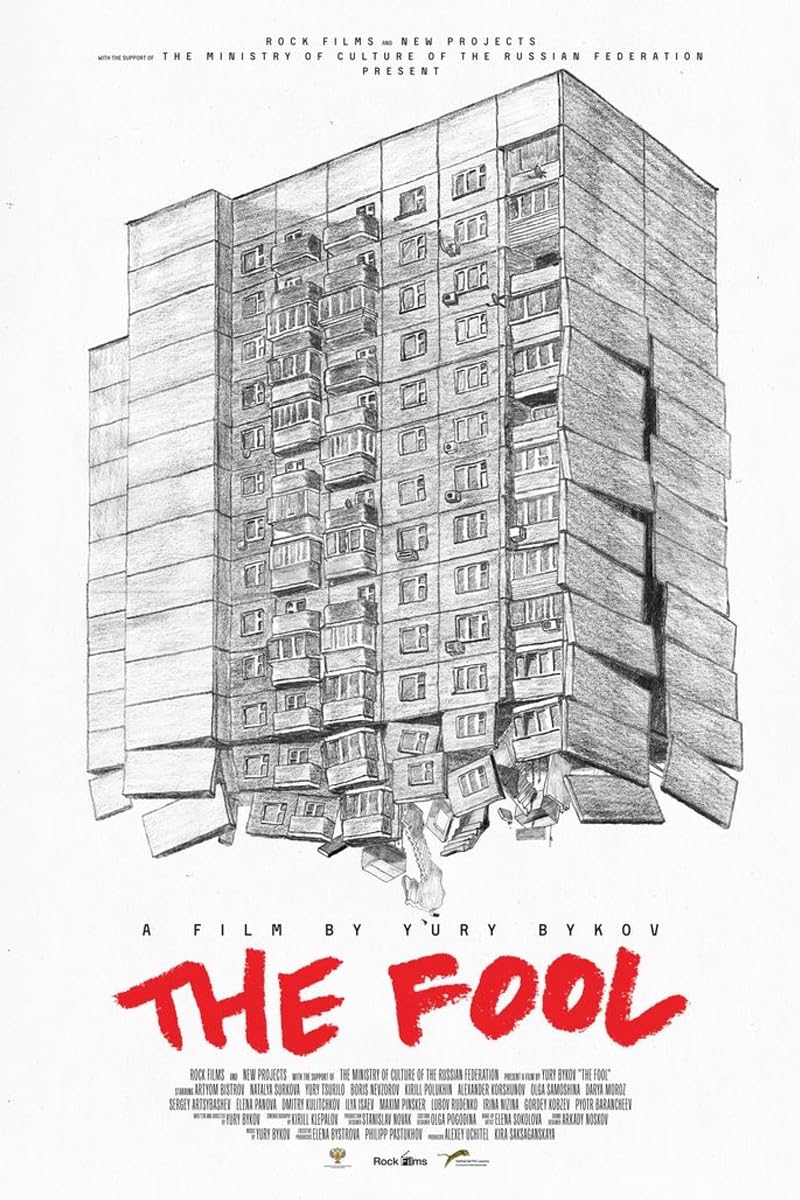
Pred nama je socijalna drama čiji zaplet pokreće student arhitekture, koji školovanje finansira i porodicu izdržava radeći u firmi za održavanje zgrada. Sve bi bilo u redu, da jednog dana nije primetio da na jednoj od zgrada pucaju noseći zidovi i da je pitanje trenutka kada će se građevina, u kojoj živi 800 ljudi, urušiti.
Kao savesni građanin i profesionalac, on obaveštava gradsku upravu da je hitno potrebno evakuisati stanare… Ali, šta to vredi kad političari nemaju savest i kad im se ceo život vrti oko novca? Za njih svaki život ima cenu, a životi onih ispod njih na društvenoj lestvici gotovo da ne vrede ništa.
Pored socijalnog sukoba, u filmu su prisutni i unutrašnji konflikti: s jedne strane imamo gradonačelnicu, predstavnicu političkog sloja društva, a s druge mladića – arhitektu, predstavnika nižeg, radničkog sloja. Oboje vode lične borbe, preispitujući šta su spremni da žrtvuju zarad spasa 800 duša.
Dok gradonačelnica, zarad očuvanja političke karijere, na kraju prodaje i ono poslednje zrno duše đavolu, mladi arhitekta odlučuje da „proda“ sopstvenu porodicu zarad spasavanja 800 života — ne postavljajući sebi pitanje da li ti ljudi uopšte žele da budu spaseni.
I dok film tokom cele radnje oštro kritikuje politički sloj društva, na kraju ni radnička klasa ne ostaje pošteđena.
Ne može se zaobići ni očigledna sličnost sa filmom The Owner istog reditelja, gde političari, ipak, na kraju pobeđuju, a radnici ostaju večiti gubitnici.
————————-
When you combine corrupt politicians, the construction industry, public works, and citizens from the bottom of the social ladder who color their cancerous lives in shades of vodka—what could possibly go wrong?
Everything that leads to the certain death of hundreds of people.
What we have here is a social drama set in motion by an architecture student who supports his education and provides for his family by working for a building maintenance company. Everything would be fine—until one day, he notices that the load-bearing walls in one building are cracking and that it’s only a matter of time before a collapse threatens the lives of 800 residents.
As a conscientious citizen and professional, he informs the city authorities that the building must be evacuated immediately… But what good is that when politicians have no conscience, and their entire lives revolve around money? To them, every life has a price, but the lives of those beneath them on the social ladder are worth next to nothing.
Beyond the social conflict, the film also delves into internal struggles: on one side, we have the mayor, representing the political class, and on the other, the young architect, a member of the working class. Both wrestle with themselves, weighing what they are willing to sacrifice in order to save 800 souls.
While the mayor ultimately sells what little remains of her soul to the devil to preserve her political career, the architect chooses to „sell out“ his own family to save 800 people—never once asking himself whether those 800 even want to be saved.
And although the film consistently criticizes the political elite, by the end, it does not let the working class off the hook either.
It’s impossible to ignore the clear resemblance to The Owner, a film by the same director, in which the politicians ultimately prevail, and the workers remain the eternal losers.

 Zlajoteka