Svi dobri filmovi liče jedan na drugi, dok je svaki loš film loš na svoj način.
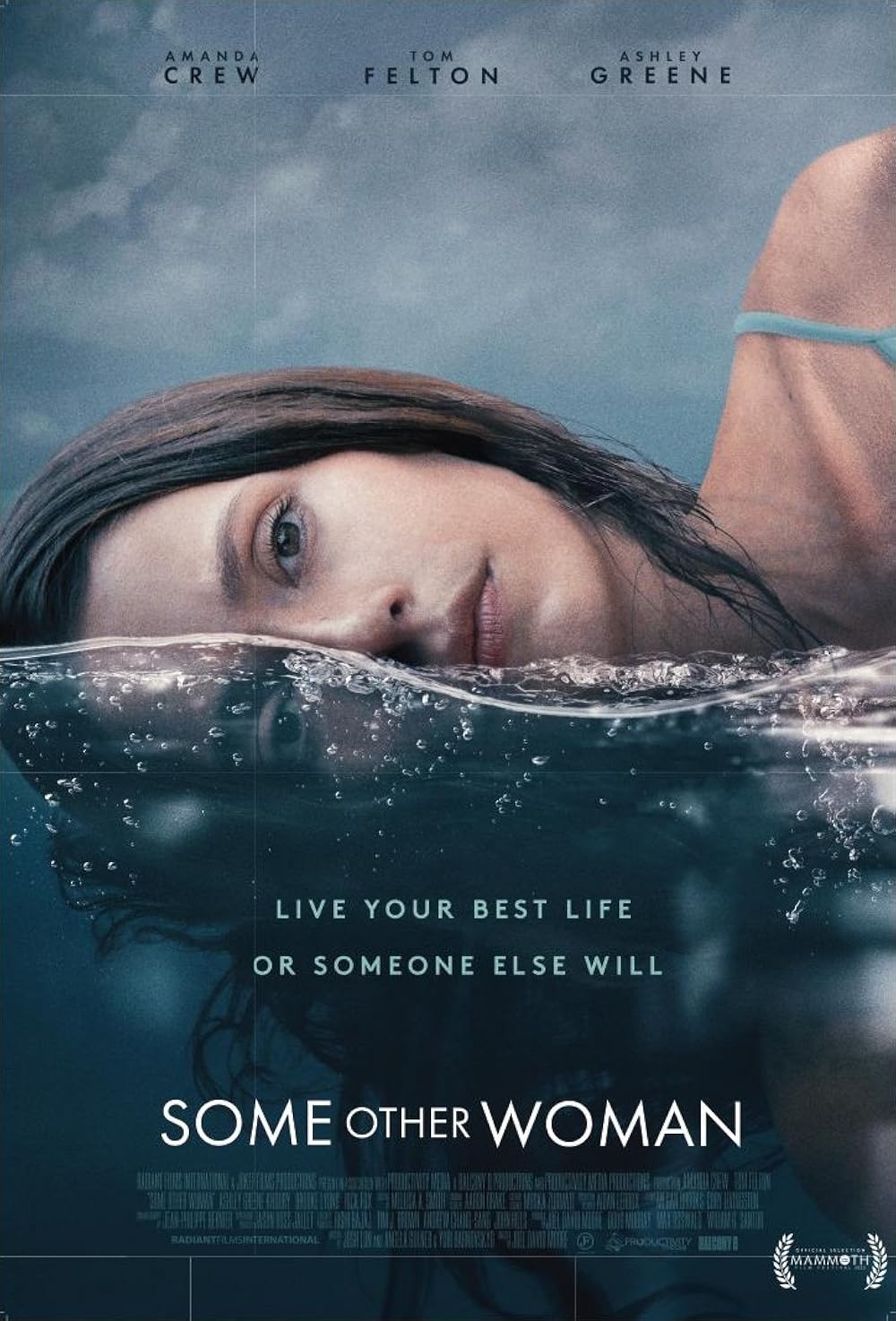
Film ima zanimljivu narativnu kompoziciju unutar svoje strukture. Može se reći da ovde imamo dva glavna ženska lika, čija se „važnost“ menja na polovini drugog čina – sporedni lik iz prvog čina postaje glavni u drugom i obrnuto. Ta promena u vodećim pozicijama postignuta je narativnim sredstvima. U drugoj polovini drugog čina javljaju se pojedine situacije koje se ponavljaju iz prvog čina, ali sa zamenjenim ulogama glavnog i sporednog lika.
Film sadrži elemente mistike, ezoterije, trilera, psihe i ljubavi, i sve bi to bilo sasvim u redu da scenaristički tim nije odlučio da čitav rasplet reši pomoću ezoterije koja služi kao deus ex machina nije previše upadljiv – ili možda jeste, ali ne mogu da se odlučim.
Da li je ovakvo rešavanje zapleta bilo uslovljeno budžetom (film traje 80 minuta i B produkcije je), ostaje otvoreno pitanje. Međutim, da su imali više vremena, mogli su da izbace ezoterijski element i da u trećem činu aktiviraju lik muža, koji bi doneo neke konkretne odgovore i dao priči oblik psihološkog ljubavnog trilera.
Jedno od dramaturških rešenja moglo je biti da muž zapravo manipuliše i ženom i ljubavnicom, navodeći ih da polude i na kraju same eliminišu jedna drugu. Time bi se otvorio prostor za razvijanje njegovog lika i omogućio obrt unutar njegove uloge u priči.
U svakom slučaju, filmu treba dati priliku – ali bez previše očekivanja od završnice.
All good films resemble one another, while every bad film is bad in its own way.
The film has an interesting narrative composition within its structure. It can be said that there are two main female characters, whose „importance“ shifts halfway through the second act—the supporting character from the first act becomes the protagonist in the second, and vice versa. This change in leading positions is achieved through narrative means. In the second half of the second act, certain situations from the first act are repeated, but with the roles of the main and supporting characters reversed.
The film contains elements of mysticism, esotericism, thriller, psychology, and love. All of this would work just fine if the screenwriting team hadn’t decided to resolve the entire climax through esotericism, which serves as a deus ex machina. It’s not overly obvious—or maybe it is, I just can’t decide.
Whether this resolution was dictated by the budget (the film is 80 minutes long and a B production) remains an open question. However, had they had more time, they could have removed the esoteric element and instead activated the character of the husband in the third act, who could have provided some concrete answers and shaped the story into a psychological romantic thriller.
One possible dramaturgical solution could have been that the husband was actually manipulating both his wife and mistress, driving them to madness so that they ultimately eliminate each other. This would have created space for his character to develop and introduced a twist within his role in the story.
In any case, the film deserves a chance—but without too many expectations for the ending.

 Zlajoteka